

Superman Now
The True American Alien for Our Times
Gilbert S.C. Keith-Agaran
I don’t plan to see James Gunn’s re-boot of the Superman “franchise” at some brick-and-mortar movie theater.
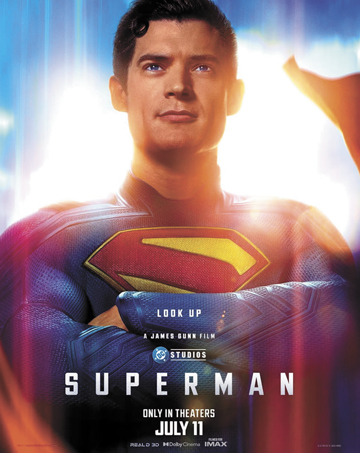
I haven’t been to the cinema in many moons—I mainly stream now. I suppose ever since the pandemic period, I don’t even notice the summer blockbuster film season.
And I can recall seeing Return of the Jedi at the Consolidated Theater in Waikīkī just after getting home from my Junior year of college. I admit not camping out to reserve a spot for opening night—I just cut in line where my friends had taken turns waiting to get to the box office. Yes, boys and girls, in the 1980s, you couldn’t just buy tickets early online and show up for your movie at showtime—you had to actually show up in person and queue up and wait.
The last time I really tried to see a movie on its opening release date was “The Lord of the Rings: The Return of the King,” over twenty years ago now.
So “Superman” will have to wait.
But it doesn’t mean I don’t get to comment on the cultural war controversies over the film.
Are people ignorant?
If you’re concerned the Superman movie is too woke, you don’t know much about his lore.
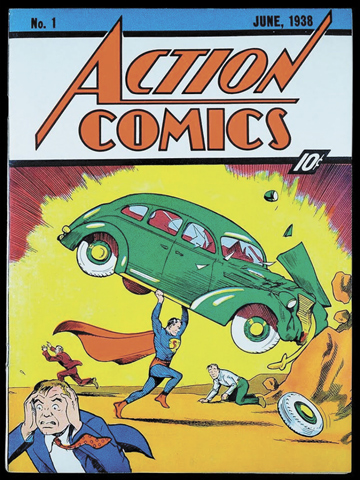
Superman has always been an illegal immigrant. He dropped into Kansas in a spaceship—no paperwork from the United States Immigration and Naturalization Service. His birthname was “Kal-El”—not your typical red-blooded American moniker (it’s more like “Barack Hussein Obama”).
His “adopted” parents Jonathan and Martha Kent simply passed him off as their natural child, naming the baby “Clark Kent” (after Martha’s family name). This was plausible since Jerry Siegel and Joe Shuster created Superman in 1938 when rural communities might still have births at home. As someone from the Texas Hill Country once told me, good neighbors should live at least a mile away without their house in sight and mind their own business. No one would question not knowing Martha had been pregnant and given birth—and perhaps missing church gatherings due to a long harsh winter that prevented the Kents from getting off their land for months. Okay, you have to suspend some of your disbelief.
Until DC Comics decided to have Clark operate as Superboy in his hometown of Smallville (only later located in Kansas, with Metropolis probably akin to St. Louis in neighboring Missouri), Superman reveals himself to America full-grown. As originally conceived, he wasn’t an all-powerful guy: “Faster than a speeding bullet, more powerful than a locomotive, able to leap tall buildings in a single bound.”
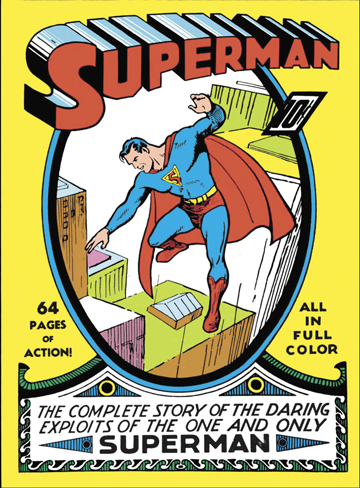
But in those early stories, Superman was pretty brutal—hit first and ask questions (well, ask no questions) later.
He eventually lost the opening to complexity in his personality, softening to be closer to the archetype brave, righteous and just hero who protects the underdog and helpless. Superman eventually would be able to fly, use x-ray and heat (now laser) vision and be invulnerable to most things. His one weakness would be radioactive remnants of his home planet Krypton (and don’t even start with all the different colored Kryptonite and how they affected him).
Superman was always a bit hokey—after all, he disguised his secret identity by wearing glasses and combing away his hair curl. And his bright colleagues at the Daily Planet (originally the Daily Star)—Perry White, Jimmy Olsen, Lois Lane, Steve Lombard—never quite figured out why Clark Kent is always running off just before Superman shows up to save the day.
Tropes including a bevy of female friends with “L.L” initials: his girlfriend and eventual wife Lois Lane, high school sweetheart Lana Lang, mermaid Lori Lemaris. His main opponent was another “L.L.” — Lex Luthor, the corporate evildoer against the hero of the common man.
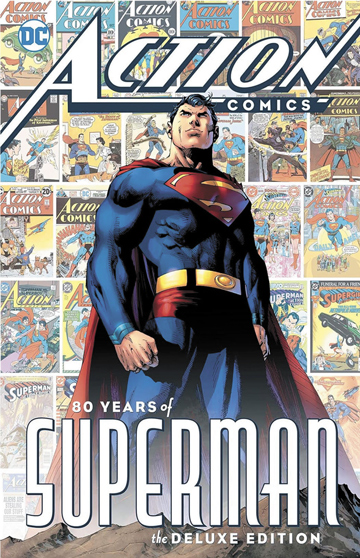
At some point, Superman became protector of the status quo U.S. justice system and white bread American way of life. Batman, the great masked vigilante who operates outside of the system—with Police Commissioner Jim Gordon and others looking the other way at Bruce Wayne’s illegal tactics—I think, would somewhat derisively coin “Big Blue Boy Scout.”
But given the modern cultural divide, I’m not surprised that some movie-goers might by offended by this stranger in a strange land operating without the proper papers. Certainly, don’t tell them there’s, a Supergirl (his cousin Kara Zor-El) with similar powers but with a drinking problem, a Power Girl who isn’t the demure sidekick, a Communist Chinese Superman, some adopted alien Super Friends teens, a gay Superman Jr. (Jonathan Kent), and Lana Lang and Lois with Super powers.
In the war years, Superman also fought “Nazis.” Of course a lot of American Super Heroes would fight the Axis Powers until someone questioned why the allies didn’t win the war earlier if the Justice Society was on our side and the powers that be decreed that magic prevented our heroes from taking active parts in the European and Pacific war campaigns. So I naturally would expect that Superman has a problem with fascist tendencies in government.

In one comic book storyline, Lex Luthor becomes President of the United States. Superman has some challenges in navigating that space—knowing the voters elected a villain to head up the country. That’s comic books (graphic novels for you politically correct folks). It would never happen in real life.
But I’d like to see masked ICE agents raid the Daily Planet and try and deport him from Metropolis.

Gilbert S.C. Keith-Agaran’s practices law in Wailuku. He still reads some comic books and watches movies adapted from graphic novels. Keith-Agaran has always been a fan-boy of American-born sociopath Batman more than illegal alien Superman.